Sanford & Lee County, NC
Commercial kitchen hood cleaning in Sanford, NC.
Hoods, filters, ductwork, and exhaust fans. Start your cleaning request with your kitchen details and preferred service time.
Service requests are coordinated with independent cleaning providers.
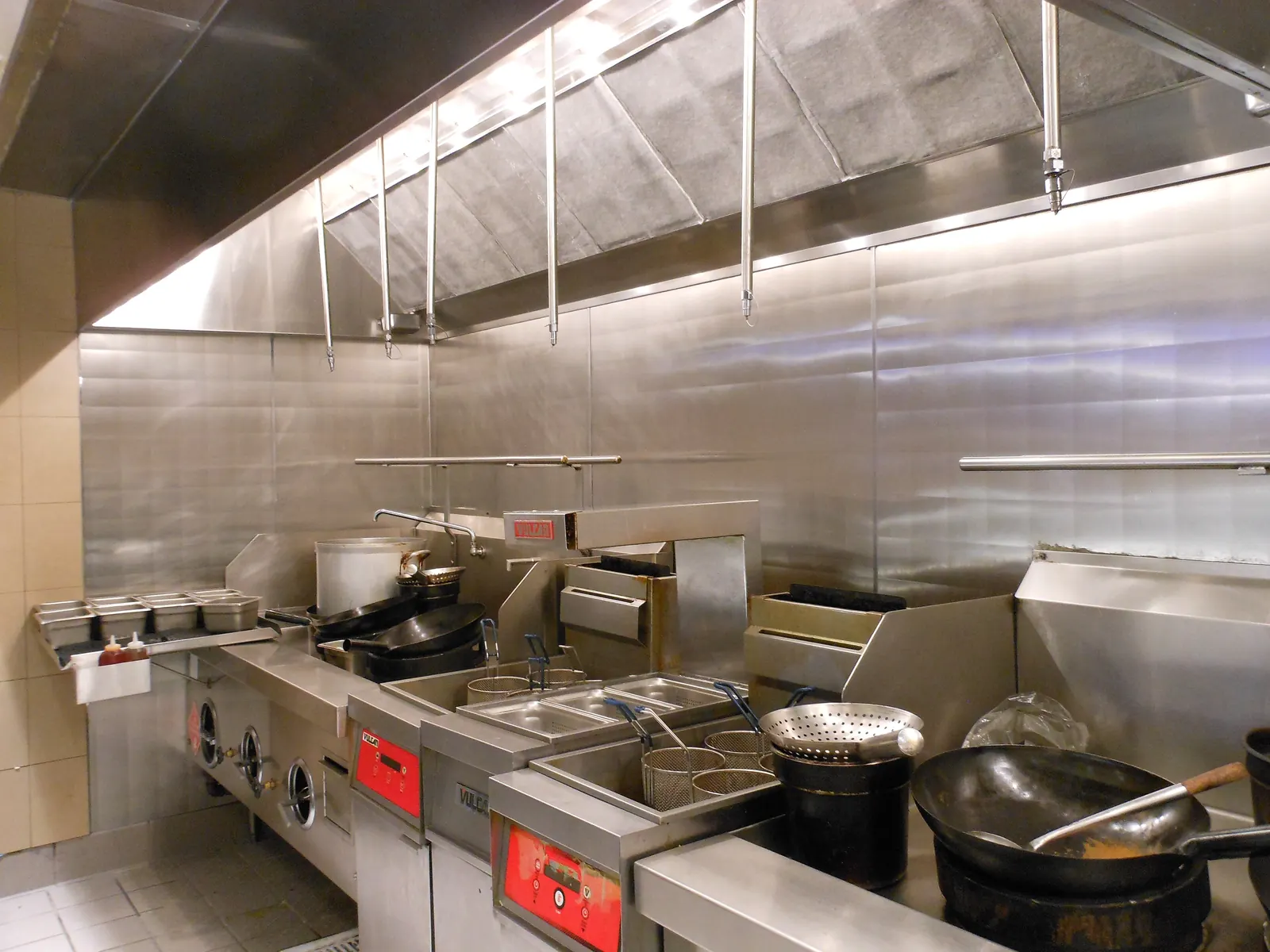
Exhaust cleaning
The parts of the system that collect grease
- 01Hoods
- The canopy over the cooking line, inside surfaces and the grease channel.
- 02Filters
- Baffle or mesh grease filters, cleaned or flagged for replacement.
- 03Ductwork
- Accessible duct runs between the hood and the fan, reached through access panels.
- 04Exhaust fans
- Rooftop or wall fans, including the fan housing and grease containment.
The provider confirms the exact scope for your system in the estimate. Fire-suppression inspection is a separate service.
Service details
What shapes the estimate
Number of hood systems
A best guess is fine. “Not sure” is an option on the form.
Type of cooking
Fryers, grills, woks and solid fuel build grease differently.
Duct length and roof access
Long runs, bends and fan access affect the time required.
Time since last cleaning
Heavier buildup usually takes longer.
No measurements needed to start. Photos of your hood or filters help.
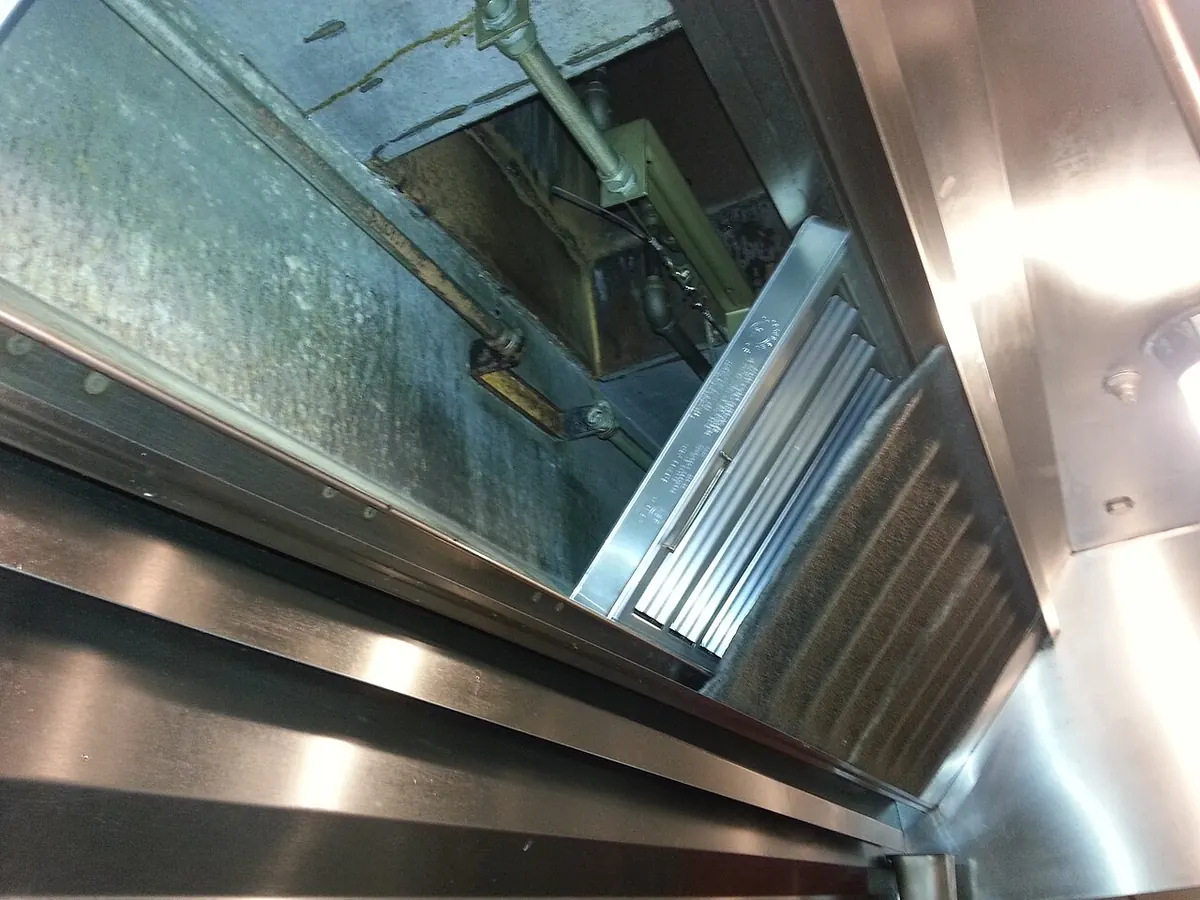
Scheduling
Request evening or overnight service
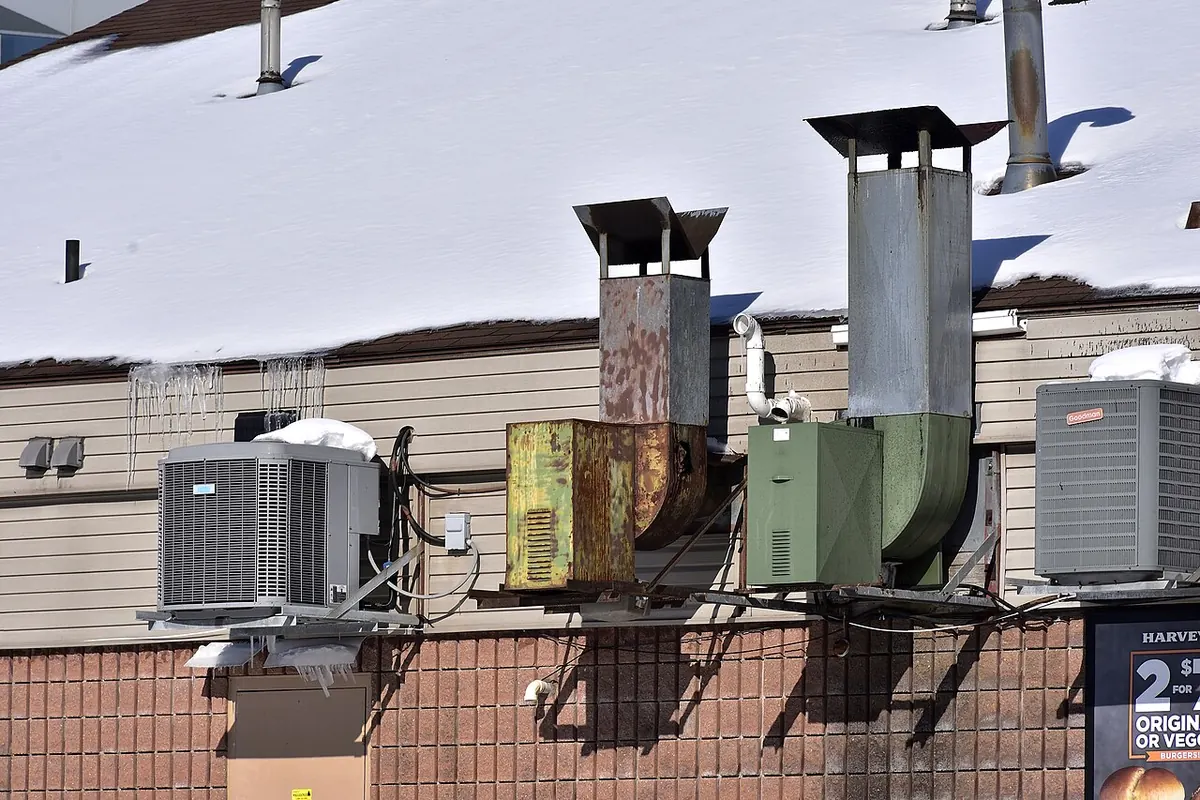
How it works
Three steps to a cleaning estimate
- Step 1
Tell us about your kitchen
Share your location, hood systems and preferred service time.
- Step 2
Review scope and timing with an independent provider
When a provider is available for your location, they confirm scope, timing and pricing with you.
- Step 3
Decide whether to schedule
Book only if the estimate works for you. The service agreement is with the provider.
Service area
Sanford and Lee County
FAQ
Common questions
What does a kitchen exhaust cleaning include?
Typically the hood canopy, grease filters, accessible ductwork and the exhaust fan. The exact scope depends on your system and is confirmed by the provider in their estimate.
How often should the exhaust system be cleaned?
It depends on the type and volume of cooking and the system’s condition. NFPA 96 sets frequencies based on cooking operations, and your local fire authority decides what applies. A qualified provider can assess your system.
How should we prepare for a cleaning?
Plan for the kitchen to be closed and cooled down, clear the cooking line where possible, and note roof or fan access. The provider will share any specific preparation steps.
Can the work be done after hours?
You can request evening or overnight service on the form. The provider confirms whether that timing is available.
What happens after I submit a request?
Your request is reviewed for location and timing, and availability is checked with an independent provider. If a provider can take the work, you’re contacted to confirm scope, pricing and scheduling. You’re not obligated to book.
Who handles the cleaning?
Carolina Kitchen Exhaust coordinates service requests. An independent provider confirms availability, provides the estimate, and performs the work under its own agreement.
Is this the same as a fire-suppression inspection?
No. Exhaust cleaning removes grease from hoods, filters, ductwork and fans. Fire-suppression systems are inspected separately by licensed suppression contractors.
Sources: NFPA 96, Standard for Ventilation Control and Fire Protection of Commercial Cooking Operations; North Carolina Office of State Fire Marshal – NC Fire Code. Reviewed 2026-10-25. General information, not compliance advice.
Request an estimate
Tell us about your kitchen
A few details about your location, hood systems and timing are enough to start. No account needed.
Pricing and availability are confirmed by the provider.